
The mountains around the Blue Ridge Parkway are some of the oldest in the world, and the complex mountain-building process of squeezing, folding, faulting, and fracturing rock has left the area rich in mineral deposits.
Below is a list containing brief descriptions of minerals and gems that are found along the Blue Ridge Parkway. The mountains near Franklin, NC are known for rubies, sapphires, and garnets; Spruce Pine, NC is known for emeralds, aquamarines, and quartz; and the mountains of Western North Carolina have a rich history of gold mining.
Along the length of the Blue Ridge Parkway, there are numerous commercial gem mines. Gem mining is usually done in groups and has no age limit, which makes it an excellent family-friendly activity for Parkway visitors. Most gem mines offer buckets of “native” or “enriched” rough material that is sifted through to reveal beautiful stones. Visitors sit at a flume, a long trough of running water, and use a screen box to sift through the dirt and find treasures. Many gem mines will make and sell keepsake items, like jewelry, from the stones that you find.
Gems & Minerals Found in the Blue Ridge Mountains
| Name |
|---|
| Amethyst |
| Aquamarine |
| Citrine |
| Emerald |
| Garnet |
| Peridot |
| Quartz |
| Ruby |
| Sapphire |
| Smokey Quartz |
| Topaz |
| Tourmaline |
Gem Mines in the Blue Ridge Mountains
Visitors to the area can mine for native gemstones at numerous commercial gem mines along the length of the Parkway, or they can visit the North Carolina Minerals Museum at milepost 331 to learn about mining in the Blue Ridge Mountains.
We offer something for everyone in the family. Great fun for the children as they hunt for gems in our fully stocked mines and incredible shopping for the adults with the finest in colored stones from around the world. We have cut gems, museum quality mineral specimens, and custom jewels for those looking for that specific piece of jewelry. We offer the inspiration, imagination and creation without the price. Great family fun at affordable prices. Mention this ad for a 10% discount on your next gem mining trip!
See more in the Virtual Blue Ridge Travel Directory
Using Minerals as Gemstones
Gemstones are identified and classified by four traits: color, cut, clarity and carat (the “4 C’s”). When grading gemstones for consumer applications in jewelery, these traits aid the average consumer in understanding a gemstone’s value. Color is usually the most important trait, and in colorless stones, like diamonds, the cut has the greatest impact on the gem’s brilliance. For a colored gemstone like turquoise, color and clarity would have more bearing. Carat is simply a matter of size and of weight.
Moh’s Scale of Hardness
Another trait, hardness, is determined by Moh’s Scale. It was created in 1812 by the German mineralogist, Friedrich Mohs. Most gemstones have a hardness of 7 or higher on this scale. In order to determine the relative hardness of an unknown mineral, you can use the scratch test. For example: if the mineral in question is able scratch a surface like apatite (a 5 on the scale) then you know its hardness rates above a 5.0. However if the mineral in question is able to be scratched by apatite then you know its relative harness is below a 5.0. Additional tests would have to be done to narrow down the exact hardness of the mineral. Gemstones with high levels on the Moh’s Scale of Hardness are used in industries from construction (to harden drill bits) to computers (quartz clocking frequencies).
Books with Gem Mining & Mineral Information
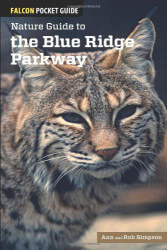
The stunning wildlife along the Blue Ridge Parkway attracts more than 14 million annual visitors from near and far for viewing and photographing opportunities. This information-packed, pocket-size field guide features more than 200 species of mammals, birds, insects, fish, wildflowers, mushrooms and more in a convenient, portable package.
Book Details Buy NowResources
Museum of North Carolina Minerals
(http://www.blueridgeheritage.com/attractions-destinations/museum-of-north-carolina-minerals)
The Museum of North Carolina Minerals features interactive displays about the minerals and gems found in the region as well as the historical importance of the mining industry to the local economy.
USGS.gov - Gemstone Publication Guide
(http://minerals.er.usgs.gov/minerals/pubs/commodity/gemstones/)
Gemstone publications provided by the USGS Mineral Resources Program.
USGS.gov - Mineral Resources Publication Guide
(http://minerals.er.usgs.gov/minerals/)
Mineral publications provided by the USGS Mineral Resources Program.